Men’s size 48 reflects a European standard for larger builds‚ equating to a 107‑112 cm chest and 88‑92 cm waist. It aligns with 42 EU‚ 42 UK‚ and 42 US‚ and is common in brands that offer extended fits for robust frames. It suits broad shoulders‚ a robust torso‚ and ensures a relaxed yet tailored look.!!!

European Size 48: Numeric and Metric Equivalents‚ Reference to French and Italian sizing.
European size 48 corresponds to 107–112 cm chest‚ 88–92 cm waist‚ and 107–112 cm hips. In France it is 48 R‚ in Italy 48 R‚ matching 42 EU. Brands label it 48‚ 42 EU‚ 42 UK‚ 42 US. It offers a generous fit for larger frames‚ ensuring comfort and style. It matches 42 EU/UK‚ giving a balanced fit for robust frames!!

Conversion to US‚ UK and Other Western Standards: 48 = 42 EU ≈ 42 UK ≈ 42 US‚ chest 44‑46 inches.
When navigating international apparel‚ size 48 in the European system translates to a 42 in both UK and US sizing‚ offering a consistent reference across Western markets. The chest measurement typically ranges from 44 to 46 inches (112–117 cm)‚ aligning with the 107–112 cm metric range used in Europe. Waist dimensions fall between 34 and 36 inches (86–91 cm)‚ matching the 88–92 cm European waist standard. This equivalence ensures that a man who fits a 48 in France or Italy will comfortably fit a 42 in the UK or the US‚ provided the brand follows standard conversion charts. It is essential to verify each retailer’s specific chart‚ as some brands may adjust for a slightly looser or tighter cut‚ but the baseline conversion remains 48 EU = 42 UK = 42 US. For those accustomed to US sizing‚ a 42 typically corresponds to a chest of 44–46 inches and a waist of 34–36 inches‚ while UK sizing uses the same numeric value but often lists the chest in inches and the waist in inches as well‚ maintaining consistency across the board. This standardized mapping simplifies shopping for larger builds across continents‚ allowing consumers to confidently select the correct size regardless of the country of origin. Retailers often provide conversion tables that map 48 EU to 42 UK and 42 US‚ ensuring that the same numeric value reflects comparable body dimensions across these systems. Additionally‚ international brands sometimes include a “EU 48” label on the tag‚ which consumers can cross-reference with local sizing guides to avoid misfits. Mapping aids precise fit. now!!!.

Conversion to International/Asian Standards: 48 = 107 cm waist‚ 107 cm hip‚ 48 EU ≈ 42 US.
In Asian markets‚ size 48 is often labeled as “Large” or “XL‚” but the numeric value remains consistent with European sizing. Chinese‚ Japanese‚ and Korean catalogs typically list waist and hip measurements in centimeters‚ so a 48 EU garment will show 107 cm for both waist and hip. This aligns with the 42 US standard‚ where a 42 chest and 42 waist correspond to roughly 107 cm in each dimension. When shopping online‚ look for conversion tables that equate 48 EU to 48 in Chinese sizing‚ 48 in Japanese sizing‚ and 48 in Korean sizing; all three systems use the same numeric value to indicate a large build. The 107 cm waist and hip are the key metrics that ensure a comfortable fit across these regions. Retailers often provide a brief note: “48 EU = 107 cm waist = 107 cm hip = 42 US‚” which helps shoppers avoid confusion. Additionally‚ some Asian brands offer a “Plus‑Size” line that uses the same numeric designation but may include a slightly looser cut for added comfort. For travelers or online shoppers‚ it’s useful to cross‑reference the manufacturer’s size chart with the 48 EU standard to confirm that the waist and hip measurements match the 107 cm values. This practice guarantees that a garment labeled 48 in an Asian catalog will fit the same as a 48 EU piece‚ ensuring a consistent experience regardless of the country of purchase. By understanding this equivalence‚ buyers can confidently select the right size when navigating international e‑commerce platforms‚ avoiding the common pitfalls of mismatched sizing. The conversion remains reliable across most major Asian retailers‚ making it a dependable reference for men seeking a large fit.

Key Body Measurements for Size 48 Garments: How to measure accurately.
Measure chest at fullest point‚ waist at natural crease‚ hips at widest spot. Use flexible tape‚ keep snug but not tight. Record in cm: chest 107‑112 cm‚ waist 88‑92 cm‚ hips 107‑112 cm. Accurate measurements ensure proper fit!.
Chest/Chest Circumference: 107–112 cm (42–44 inches) typical for size 48.
Chest circumference is the most critical dimension for a size 48 garment. To obtain an accurate reading‚ stand upright and relax your shoulders. Place a flexible measuring tape around the fullest part of the chest‚ just beneath the armpits‚ ensuring the tape is level and snug but not compressing the skin. The measured value should fall between 107 cm and 112 cm (42–44 inches) for a standard size 48. This range accommodates a broad chest that is common in larger builds‚ providing room for movement while maintaining a tailored silhouette. When comparing brands‚ note that some manufacturers may add an extra 2–3 cm for a looser fit‚ especially in casual or relaxed styles. For tailored suits‚ a tighter measurement within the lower end of the range (107–110 cm) often yields a more structured look‚ whereas the upper end (110–112 cm) allows for a relaxed fit that is comfortable for extended wear. Always double‑check the measurement by taking two readings and averaging them to avoid errors caused by uneven tape placement. Accurate chest measurement ensures that the jacket or shirt will sit correctly over the shoulders and chest‚ preventing gaping or excessive tightness. Proper fit not only enhances appearance but also improves comfort and mobility throughout the day. Remember‚ sizing charts vary slightly between brands‚ so always try on garments or consult the brand’s specific measurement guide before purchasing. A well‑fitted size 48 not only looks sharp but also supports a healthy posture and active lifestyle‚ making every outfit feel effortless confident.
Waist/Tour de Taille: 88–92 cm (34–36 inches) standard for size 48 trousers.
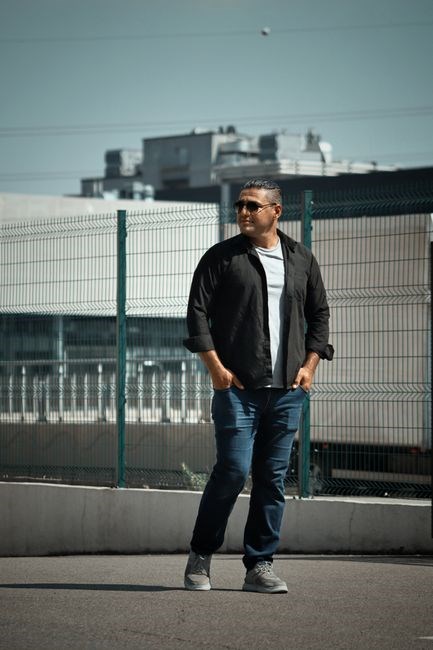
When sizing a size 48 trouser‚ the waist measurement is pivotal. To capture an accurate waist‚ stand upright and relax the abdomen. Position a flexible tape measure around the natural waistline‚ which lies just above the belly button and below the rib cage. The tape should be snug yet not compressing the skin‚ and it must remain level across the back. For a true size 48‚ the waist should read between 88 cm and 92 cm (34–36 inches). This range accommodates a robust midsection while preserving a comfortable fit that allows for layering without excess bulk. Many brands adopt a slight “plus‑size” allowance‚ adding 1–2 cm to the nominal measurement to ensure a relaxed feel. When comparing trousers‚ note that some manufacturers use a “tapered” cut that narrows the waist slightly toward the hem‚ which can shift the effective waist measurement. For a tailored or slim fit‚ aim for the lower end of the range (88–90 cm) to achieve a more structured silhouette. Conversely‚ a higher reading (90–92 cm) offers a relaxed fit suitable for daily wear or for those with a larger midsection. Always verify the waist measurement twice‚ taking the average if the readings differ by more than 0.5 cm‚ to avoid misfits. A correctly measured waist not only ensures a proper fit but also enhances comfort‚ mobility‚ and overall garment longevity. Proper waist sizing is essential for achieving a polished look‚ whether the trousers are worn for formal occasions or casual outings.
Hip/Hip Circumference: 107–112 cm (42–44 inches) for jeans and trousers.
For a size 48‚ the hip measurement is essential for a proper fit in jeans and tailored trousers. The standard range of 107–112 cm (42–44 inches) accommodates a robust pelvis while allowing freedom of movement. To measure‚ stand straight with feet together and wrap a flexible tape around the widest part of the hips‚ usually at the buttocks. The tape should be level‚ snug but not tight‚ and should not compress the skin. A reading within the 107–112 cm window ensures the garment sits comfortably without excess fabric that could cause bunching or a baggy look. Many brands add a slight “plus‑size” allowance‚ adding 1–2 cm to the nominal measurement to account for fabric stretch and seam allowances. When choosing jeans‚ a hip measurement at the lower end of the range (107–109 cm) yields a more fitted silhouette‚ whereas a higher reading (110–112 cm) offers a relaxed‚ casual feel. Tailored trousers often feature a tapered leg‚ which can reduce the hip circumference at the hem‚ so it is advisable to check the brand’s specific cut. Fabric type also matters: denim with elastane may accommodate a slightly smaller hip measurement due to stretch‚ while cotton blends may require the full 107–112 cm range. Always double‑check the measurement by taking two readings and averaging them if they differ by more than 0.5 cm. Proper hip sizing enhances comfort and ensures a balanced proportion between the upper and lower body‚ contributing to a polished appearance in both formal and casual settings. This measurement also influences the choice of waistband width‚ ensuring a snug fit that prevents sagging during active use!
Inseam and Length: Typical inseam 80–85 cm (31–33 inches) for size 48 jeans.
In a size 48‚ the inseam is a key determinant of overall fit. The standard range of 80–85 cm (31–33 inches) ensures that the leg length aligns with a taller frame while maintaining a balanced silhouette. To measure‚ stand upright with shoes removed‚ place a tape measure from the top of the inner thigh to the desired hem point. The tape should run straight down the leg‚ avoiding any twist. For jeans‚ a 80 cm inseam is typical for a medium height‚ whereas 82–85 cm accommodates taller wearers. The length also affects the rise; a higher rise paired with a longer inseam can create a more relaxed look‚ while a lower rise with a shorter inseam yields a streamlined appearance. Fabric composition influences stretch: denim with elastane may allow a 1–2 cm adjustment‚ whereas pure cotton may require the exact measurement. Always compare the measured inseam to the brand’s chart‚ as some labels use a “regular” or “tall” designation that shifts the range. When shopping online‚ double‑check the length by comparing the product’s inseam to your own‚ and consider ordering two sizes if the difference is marginal. A well‑measured inseam prevents excess fabric that can lead to bagging or a cropped look‚ ensuring that the jeans sit at the optimal point on the ankle or just above the shoe When selecting jeans‚ consider the fabric weight‚ as heavier denim may require a longer inseam to maintain a balanced look Proper inseam selection is essential for both comfort and style‚ especially in a size 48 where the leg proportion can dramatically influence the overall appearance.
Shoulder Width: 52–54 cm (20.5–21.3 inches) for suits and blazers.
For a size 48 suit or blazer‚ the shoulder width typically ranges from 52 cm to 54 cm (20.5–21.3 inches). This dimension is measured from the outer edge of one shoulder seam to the outer edge of the opposite seam‚ following the natural slope of the shoulder. A proper shoulder fit is critical; if the shoulder is too narrow‚ the jacket will pull and distort the torso‚ while an overly wide shoulder will create a boxy silhouette and hinder movement. To measure accurately‚ lay the jacket flat on a surface‚ straighten the shoulders‚ and place a flexible tape from one shoulder seam to the other. The tape should rest on the fabric without compressing it. When tailoring‚ a slight stretch (1–2 cm) can be added to accommodate body changes‚ but the base measurement should remain within the 52–54 cm range. Brands often list the shoulder width in their size charts‚ and many European labels use the 48 designation for a chest of 107–112 cm‚ which naturally pairs with a 52–54 cm shoulder. If you find the shoulder width off‚ consider a tailor who can adjust the seam or add a shoulder pad. A well‑fitted shoulder not only enhances posture but also ensures that lapels sit correctly and that the jacket drapes smoothly over the upper body. In summary‚ always verify the shoulder width before purchase‚ as it is the foundation for a balanced‚ professional look in a size 48 suit or blazer. Remember‚ a correctly measured shoulder ensures longevity and confidence in every business or casual setting. A well‑fitted jacket boosts confidence signals professionalismnow.

Common Clothing Types for Size 48: Where to find suitable fits.
Size 48 fits are plentiful in jeans‚ trousers‚ suits‚ and blazers. Brands like Zara‚ and Hugo Boss offer 48 waist and length options. Tailored suits from J. Crew or suits.com provide adjustable shoulders. Denim shops and online retailers list 48‑EU sizing for easy selection. Find a fit today at shop .!
Jeans and Trousers: Brands and fit options for 48 waist and 48 length.

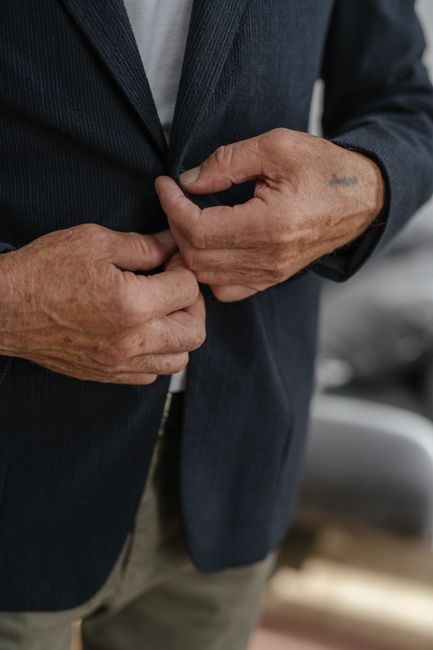
For a 48 waist and 48 inseam‚ several retailers provide ready‑made options. Levi’s 505 and 511 styles come in 48/48‚ offering a relaxed fit with a straight leg. Wrangler’s Classic Rig offers 48/48 for a traditional cut‚ while Lee’s 511 Slim fits a 48 waist with a slightly tapered leg. Gap’s 48/48 jeans provide a mid‑rise and a 5‑inch inseam‚ ideal for casual wear. H&M’s 48/48 denim features a slim cut and a 30‑inch inseam‚ suitable for a modern look. For trousers‚ J. Crew’s 48/34 chinos give a tailored fit with a 34‑inch inseam‚ while Banana Republic’s 48/32 dress pants offer a slim silhouette and a 32‑inch inseam. Zara’s 48/32 trousers combine a slim cut with a 32‑inch inseam‚ and the brand’s 48/34 chinos provide a relaxed fit. For a more premium option‚ Bonobos offers 48/32 chinos with a relaxed fit and a 32‑inch inseam‚ and their 48/34 dress pants feature a tailored fit with a 34‑inch inseam. These brands provide a range of styles from casual to formal‚ ensuring a 48 waist and 48 length fit is accessible across various budgets and preferences. When shopping online‚ always consult the brand’s size chart‚ as some use a 48/48 waist but vary inseam length; a 48/32 inseam fits a medium height‚ while 48/34 or 48/36 fits taller frames. Many denim lines now include 2–3 % elastane for stretch‚ and tailored suits offer a 1–2 cm shoulder seam adjustment to accommodate a larger chest without compromising silhouette. Check fit reviews and sizing tips for confidence!
Suits and Blazers: Tailoring notes‚ stretch options‚ and recommended brands for 48 chest.
For a 48‑chest jacket‚ the first check is the shoulder seam. A 52–54 cm shoulder width is typical for ready‑made suits from Brooks Brothers‚ J. Crew‚ and Banana Republic. If the chest feels tight‚ a tailor can add a 1–2 cm side‑panel seam or insert a 2–3 % elastane blend in the lining for a subtle stretch. Slim‑fit options from Bonobos feature a 52 cm shoulder and a 1 cm side‑seam stretch‚ while Suitsupply’s 48‑chest suit offers a 53 cm shoulder with a 2 cm side‑seam adjustment. Italian brand Canali provides a 54 cm shoulder and a 2 cm side‑seam stretch‚ and French designer Paul Smith offers a 52 cm shoulder with a 1 cm stretch. For a relaxed fit‚ J. Crew’s 48‑chest suit has a 54 cm shoulder and a 2 cm side‑seam stretch. When buying online‚ always check the brand’s size chart for exact measurements‚ as some 48‑chest jackets may have a 55 cm shoulder. Tailoring a 48‑chest blazer can also involve adjusting the sleeve length by 2–3 cm to match a 48‑inch cuff. A good rule of thumb is to leave a 1–2 cm gap between the cuff and the wrist for a natural look. Finally‚ consider a fabric with a 1–2 % stretch‚ such as a wool‑polyester blend‚ to keep the jacket comfortable during movement.

A tailored 48‑chest blazer can be paired with a crisp white shirt for a sharp business look or a patterned shirt for a casual office vibe‚ offering versatility across occasions. — stay sharp.!!!