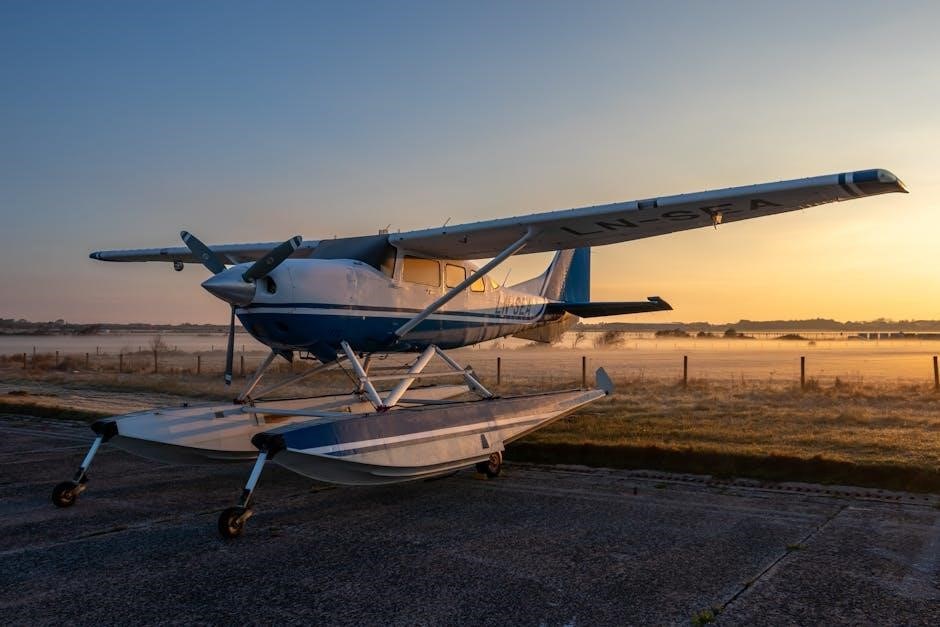
Cessna 182P Maintenance Manual: An Overview
This manual details essential upkeep for the Cessna 182P, encompassing scheduled inspections, engine care, and airframe procedures.
Comprehensive resources, including parts manuals (IPC) from 1977-1986, and service manuals are vital for proper aircraft maintenance.
Cessna’s progressive maintenance program, detailed in the 206T service manual, offers a structured approach to long-term reliability.
Understanding these guidelines ensures safe and efficient operation, referencing publications from Cessna Aircraft Company and Essco Aircraft.
Proper documentation, like maintenance logbook entries, is crucial, alongside engine overhaul manuals for Lycoming engines (1977-1986).
The Cessna 182P Skylane, a cornerstone of general aviation, demands meticulous maintenance to ensure continued airworthiness and operational safety. This aircraft, popular for its versatility and reliability, requires adherence to specific maintenance schedules and procedures outlined in official Cessna documentation.
Understanding the 182P’s construction, equipment, and operational characteristics is paramount for effective upkeep. Resources like the Cessna 182 Information and Service Manual, alongside parts manuals (IPC) covering the 1977-1986 models, provide invaluable insights.
Owners and maintenance personnel must familiarize themselves with the Progressive Maintenance Program, detailed within the 206T service manual, offering a structured approach to inspections. This program, alongside routine 100-hour and annual inspections, forms the foundation of a robust maintenance regime.
Properly executed maintenance, documented in maintenance logbooks, guarantees the longevity and safe operation of this iconic aircraft.
Scope of the Maintenance Manual
This maintenance manual comprehensively covers all aspects of Cessna 182P upkeep, from routine inspections to major component overhauls. It encompasses procedures for the airframe, engine – specifically Lycoming engines from 1977-1986 – and all critical systems.
The manual details the requirements for scheduled maintenance, including 100-hour, annual, and progressive inspections, aligning with Cessna’s recommended practices. It references essential documentation like Parts Manuals (IPC) for accurate component identification and replacement.
Furthermore, it outlines procedures for corrosion prevention, control surface rigging, landing gear maintenance, and electrical system upkeep. Emphasis is placed on proper documentation of all maintenance activities within the aircraft’s maintenance logbooks.
This manual serves as a vital resource for ensuring the continued airworthiness and safe operation of the Cessna 182P Skylane.
Scheduled Maintenance
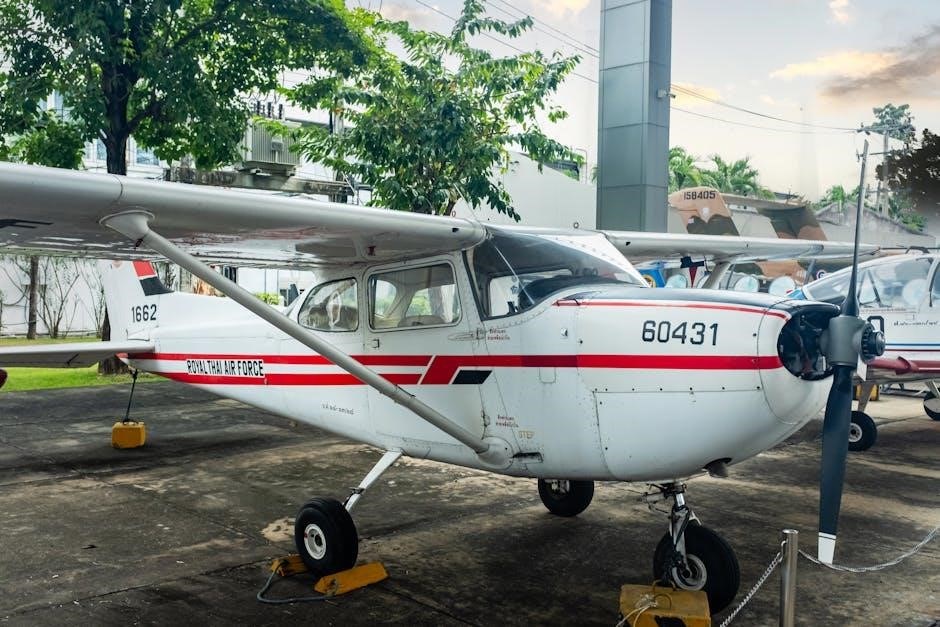
Regular inspections – 100-hour, annual, and progressive – are crucial for maintaining airworthiness, detailed in Cessna’s service manuals and programs.
100-Hour Inspection
The 100-hour inspection, while routine, isn’t a complete inspection in itself; it focuses on specific component checks as part of a broader maintenance schedule.
This inspection requires a detailed review of critical aircraft systems, ensuring they operate within acceptable parameters and adhere to safety standards.
Key areas include a thorough examination of the engine, propeller, landing gear, flight controls, and associated hardware for wear, damage, or discrepancies.
Lubrication of moving parts, inspection of hoses and lines, and verification of proper fluid levels are also essential components of this process.
Documentation of all findings and corrective actions taken is paramount, maintaining a clear maintenance record for the aircraft’s history and continued airworthiness.
Adherence to the Cessna 182P maintenance manual is vital for a comprehensive and compliant 100-hour inspection;
Detailed Component Checks (100-Hour)
During the 100-hour inspection, meticulous attention to detail is crucial when examining individual components.
The engine requires a close inspection of cylinders, spark plugs, and fuel lines for leaks or deterioration, alongside checking oil levels and filter condition.
Flight controls must be inspected for freedom of movement, security of connections, and any signs of wear or damage to cables and pulleys.
Landing gear components, including tires, brakes, and struts, need thorough examination for wear, cracks, and proper inflation.
The electrical system should be checked for loose connections, damaged wiring, and proper operation of lights, instruments, and avionics.
Proper documentation of each component check, noting any discrepancies and corrective actions, is essential for maintaining a comprehensive maintenance record.
Annual Inspection
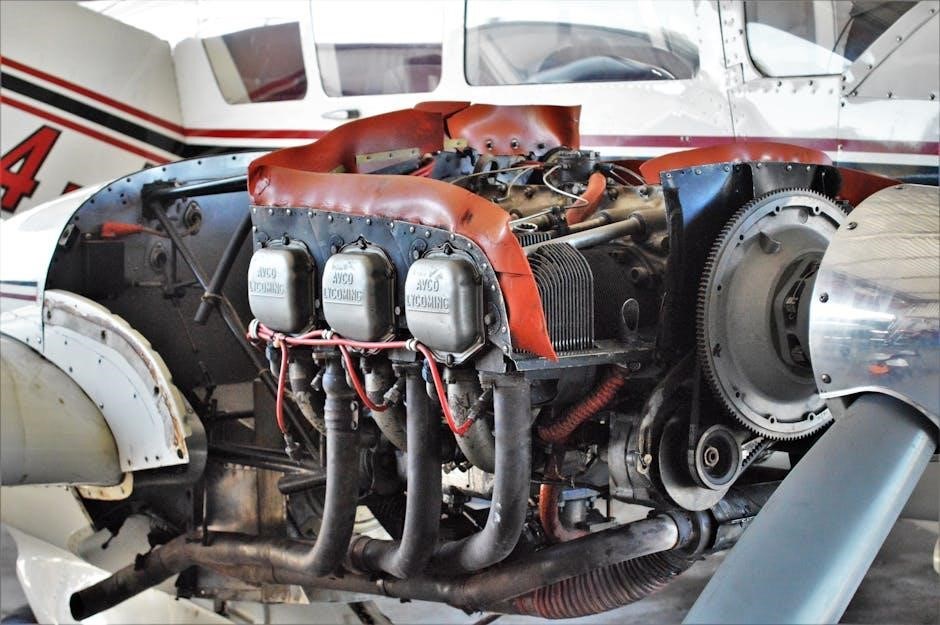
The annual inspection represents a comprehensive assessment of the Cessna 182P’s airworthiness, exceeding the scope of a 100-hour check.
This detailed examination encompasses all systems, including the engine, airframe, flight controls, and electrical components, ensuring continued safe operation.
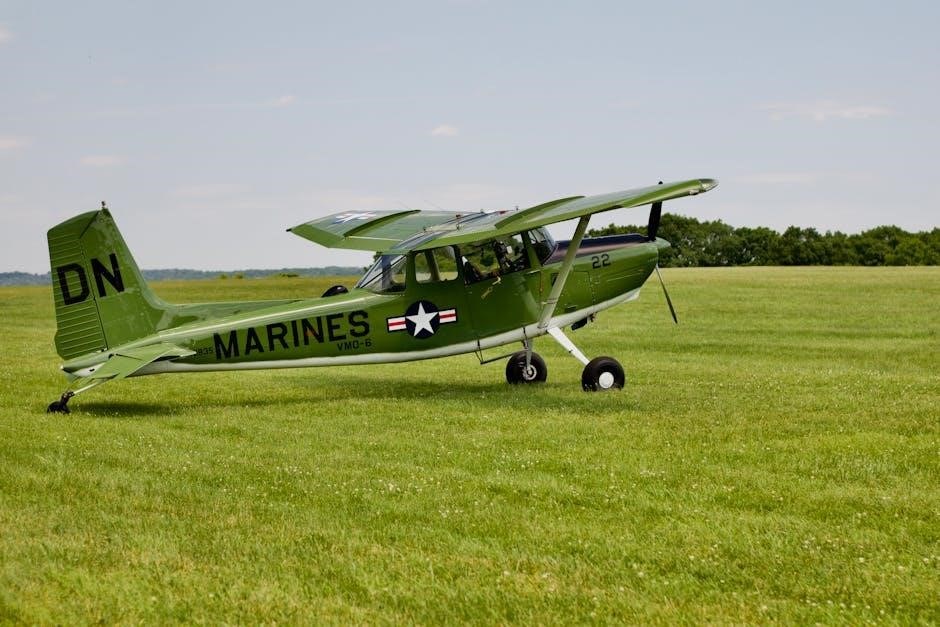
Engine inspections involve a thorough review of the cylinders, valves, and accessories, alongside a compression check to assess engine health.
Airframe scrutiny includes inspecting the structure for corrosion, cracks, and damage, with particular attention to critical areas like wing spars.
Flight control surfaces are meticulously checked for proper rigging, freedom of movement, and structural integrity, ensuring responsive handling.
Detailed documentation of all findings, repairs, and replacements is paramount, adhering to FAA regulations and maintenance standards.
Comprehensive System Inspections (Annual)
During the annual inspection, each system receives meticulous attention, starting with the engine – examining fuel lines, carburetors, and ignition components.
The fuel system is pressure-tested for leaks, while the oil system undergoes scrutiny for proper lubrication and filter condition.
Electrical systems are thoroughly inspected, checking wiring harnesses, connections, and avionics for functionality and safety.
Hydraulic systems, if equipped, are assessed for fluid levels, leaks, and proper operation of actuators and controls.
The landing gear is inspected for wear, damage, and proper extension/retraction functionality, including brake systems and tires.
Control surfaces undergo rigorous examination, verifying freedom of movement, cable condition, and proper rigging alignment.
Detailed records of all inspections, repairs, and replacements are essential for maintaining airworthiness and regulatory compliance.
Progressive Inspection Program
Cessna’s Progressive Maintenance Program offers a flexible alternative to traditional annual inspections, spreading tasks throughout the year.
This approach, detailed starting on page 5-12-00 in the 206T service manual, divides inspection items into smaller, manageable phases.
It allows for more frequent, focused checks, potentially identifying issues earlier and reducing downtime for extensive repairs.
The program requires meticulous record-keeping to track completed inspections and ensure all required tasks are addressed.
Each phase typically involves a detailed inspection of specific aircraft systems, such as engine, airframe, or avionics.
Proper implementation necessitates a thorough understanding of the program’s requirements and adherence to Cessna’s guidelines.
This proactive maintenance strategy aims to enhance safety and reliability while optimizing aircraft availability for flight operations.
Cessna’s Progressive Maintenance Schedule
The Cessna Progressive Maintenance Schedule divides annual inspection tasks into smaller, more frequent intervals, typically phased over twelve months.
This structured approach, originating from the 206T service manual (page 5-12-00 onwards), promotes consistent monitoring of critical aircraft components.
Each phase focuses on specific systems – engine, flight controls, landing gear, and avionics – ensuring comprehensive coverage throughout the year.
Detailed checklists accompany each phase, outlining precise inspection criteria and acceptable limits for various parameters.
Adherence to the schedule requires diligent record-keeping, documenting completed inspections and any corrective actions taken.
This proactive strategy minimizes downtime associated with lengthy annual inspections, maximizing aircraft availability for operational use.
Successful implementation relies on qualified maintenance personnel and a commitment to Cessna’s recommended procedures.

Engine Maintenance
Regular oil changes and filter replacements are paramount for engine longevity, utilizing specific Lycoming engine overhaul manuals (1977-1986).
These procedures, detailed in available resources, ensure optimal performance and prevent premature wear of critical engine components.
Engine Overhaul Manuals (1977-1986)
For Cessna 182P models produced between 1977 and 1986, comprehensive engine overhaul manuals are indispensable for detailed maintenance procedures. These manuals, specifically tailored for Lycoming engines commonly found in these aircraft, provide step-by-step instructions for complete engine disassembly, inspection, repair, and reassembly.
Access to these resources, such as those available through Amazon.com (P515-12), is crucial for qualified mechanics undertaking major engine work. The manuals cover critical aspects like cylinder inspections, piston and connecting rod overhaul, crankshaft balancing, and valve train servicing.
Proper adherence to these guidelines ensures engine reliability and compliance with aviation regulations. Utilizing these manuals alongside the Cessna 182 Maintenance manuals (D2006-4-13) provides a complete understanding of engine maintenance requirements, maximizing safety and operational efficiency.
Lycoming Engine Specifics
The Cessna 182P, particularly models from 1977-1986, predominantly utilizes Lycoming engines, necessitating specialized maintenance knowledge. These engines, known for their reliability, require adherence to Lycoming’s specific overhaul procedures and recommended service bulletins.
Detailed attention must be paid to Lycoming’s torque specifications, lubrication requirements, and inspection intervals, as outlined in the engine overhaul manuals. Critical components like cylinders, pistons, and crankshafts demand precise inspection for wear and damage, utilizing Lycoming-approved parts and tooling.
Understanding Lycoming’s engine numbering system and component identification is vital for accurate parts ordering and maintenance documentation. Proper engine maintenance, guided by Lycoming’s specifications, ensures optimal performance, extends engine life, and maintains airworthiness.
Oil Changes and Filter Replacements
Regular oil changes and filter replacements are fundamental to Cessna 182P engine health, directly impacting longevity and performance. Adhering to a strict schedule, typically every 50 hours or as dictated by oil analysis, is paramount. Utilizing an oil specifically approved for Lycoming engines is crucial, ensuring proper lubrication and preventing component wear.
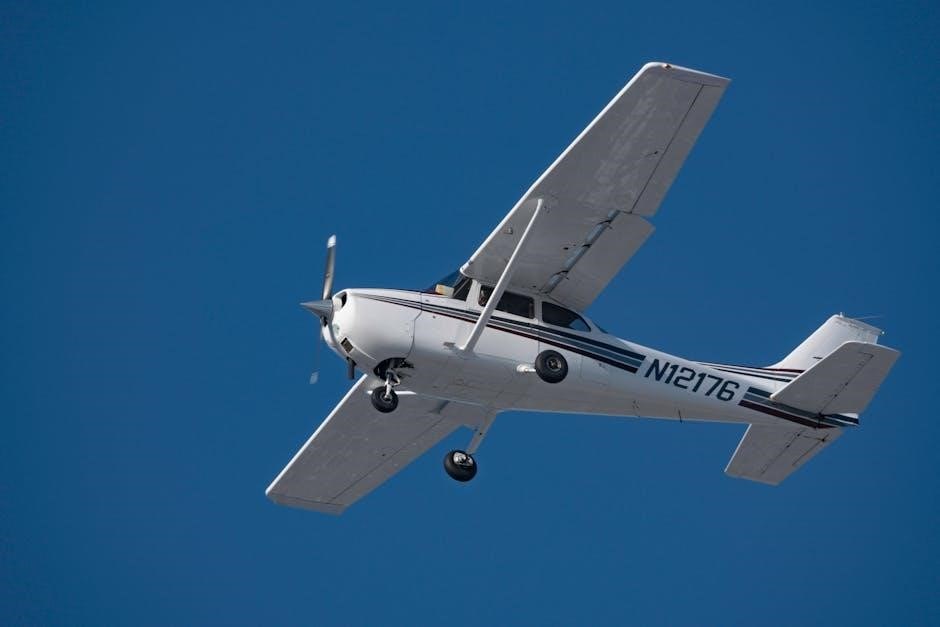
During oil changes, meticulous inspection of the drained oil for metal shavings or unusual contaminants provides valuable insight into engine condition. Filter replacements should coincide with oil changes, utilizing a quality filter designed to capture microscopic particles.
Proper disposal of used oil and filters is essential, complying with environmental regulations. Detailed records of oil changes, filter replacements, and oil analysis results must be maintained in the aircraft’s maintenance logbook, demonstrating diligent upkeep.

Airframe Maintenance
Airframe upkeep involves rigorous corrosion prevention, meticulous control surface rigging, and thorough inspections to guarantee structural integrity and flight safety.
Regular checks and preventative measures, detailed in the Cessna 182 service manual, are essential for maintaining airworthiness and longevity.
Corrosion Prevention and Control
Corrosion is a significant concern for Cessna 182P airframes, particularly in environments with high humidity or exposure to salt water.
Effective prevention relies on regular inspections for signs of corrosion, focusing on areas prone to accumulation of moisture and debris.
These areas include wing spars, fuselage structures, control surfaces, and landing gear components, requiring diligent examination during scheduled maintenance.
Cleaning and protective treatments are vital; removing contaminants and applying corrosion-inhibiting compounds helps shield metal surfaces.
The Cessna 182 maintenance manual provides specific guidance on approved cleaning agents and corrosion control products;
Prompt attention to any detected corrosion is crucial, involving proper surface preparation, treatment, and application of protective coatings.
Ignoring corrosion can lead to structural weakening, potentially compromising flight safety and necessitating costly repairs.
Regularly inspecting and maintaining protective finishes is a proactive step in preventing corrosion and extending the airframe’s lifespan.
Detailed procedures are outlined in service manuals for effective corrosion prevention and control.
Control Surface Rigging and Inspection
Proper control surface rigging is paramount for safe and predictable flight characteristics in the Cessna 182P.
Rigging ensures the flight controls move freely and accurately, translating pilot input into desired aircraft responses.
Regular inspections are critical, focusing on hinges, cables, pulleys, bellcranks, and pushrods for wear, damage, or looseness.
The Cessna 182P maintenance manual details specific tolerances and adjustment procedures for each control surface.
Cable tension must be within specified limits to prevent sluggish control response or excessive force requirements.
Any frayed cables, worn pulleys, or loose fittings must be replaced or tightened immediately to maintain control integrity.
Control surface travel and balance must be verified to ensure symmetrical movement and prevent adverse yaw.
Detailed rigging instructions are found within the aircraft’s service manuals, emphasizing precision and adherence to specifications.
Properly rigged controls contribute significantly to flight safety and pilot confidence.
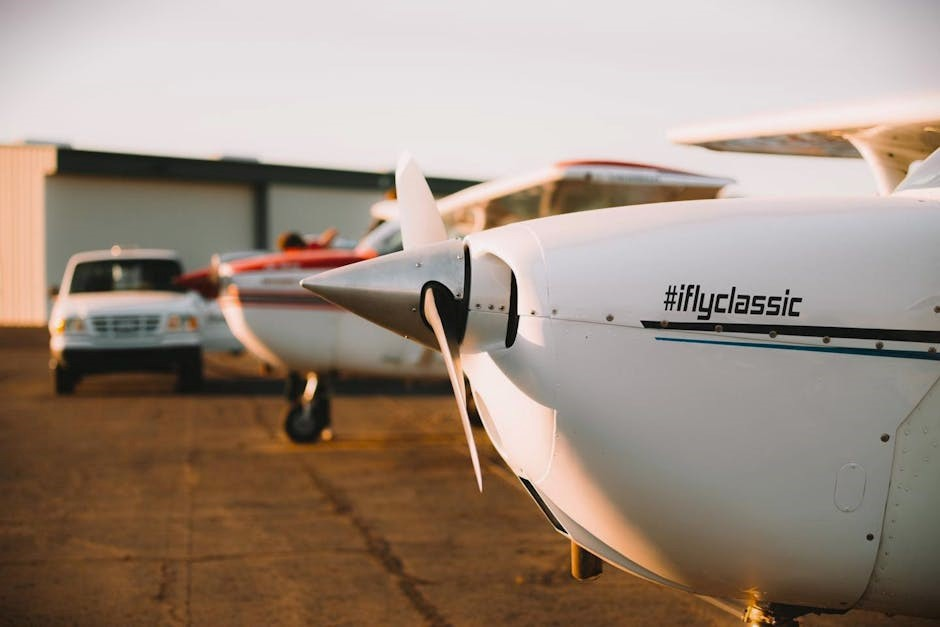
Component Specific Maintenance
Detailed procedures address landing gear, electrical systems, and other key components, ensuring optimal performance.
Parts manuals (IPC) from 1977-1986 are essential for identifying and replacing specific parts during maintenance.
Landing Gear Maintenance
Rigorous inspection of the Cessna 182P’s landing gear is paramount for safe operation, focusing on structural integrity and functionality. This includes detailed checks of the main landing gear struts for corrosion, cracks, and proper extension/retraction. Tire condition, brake lines, and hydraulic fluid levels require consistent monitoring, adhering to the maintenance schedules outlined in the aircraft’s service manuals.
Specific attention should be given to the nose gear steering mechanism, ensuring smooth and responsive control. Regular lubrication of all moving parts is critical to prevent wear and tear. Utilizing the appropriate parts manuals (IPC) from 1977-1986 is essential when replacing components, guaranteeing compatibility and adherence to Cessna’s specifications. Thorough documentation of all maintenance performed on the landing gear within the aircraft’s logbooks is mandatory for compliance and traceability.
Wheel bearings must be inspected for wear and properly greased, and brake components assessed for effectiveness and leaks.
Electrical System Maintenance
Maintaining the Cessna 182P’s electrical system demands meticulous attention to detail, ensuring reliable power for all aircraft functions. Regular inspection of wiring harnesses is crucial, checking for fraying, corrosion, and secure connections. Battery condition, alternator output, and voltage regulator performance require consistent monitoring, referencing the aircraft’s maintenance manuals for specific procedures and tolerances.
Circuit breakers and fuses should be inspected for proper amperage ratings and functionality, never bypassing safety devices. Avionics equipment, including radios, transponders, and navigation systems, necessitate periodic testing to verify operational accuracy. Utilizing the correct parts manuals (IPC) from 1977-1986 is vital when replacing electrical components, ensuring compatibility and adherence to Cessna’s standards.
Proper grounding of all electrical components is essential to prevent interference and ensure safety.
Documentation and Records
Accurate maintenance logbook entries are paramount, detailing all work performed on the Cessna 182P.
Parts manuals (IPC) from 1977-1986, alongside service records, establish a comprehensive maintenance history.
Maintenance Logbook Entries
Detailed and accurate maintenance logbook entries are absolutely critical for tracking the Cessna 182P’s maintenance history and ensuring continued airworthiness. Each entry must clearly state the date, a comprehensive description of the work performed, the specific part numbers used (referencing the IPC – Illustrated Parts Catalog from 1977-1986), and the mechanic’s certification information, including their license number.
Entries should meticulously document all inspections, repairs, alterations, and preventative maintenance completed on the aircraft. This includes noting compliance with scheduled maintenance items like the 100-hour and annual inspections, as well as any unscheduled maintenance performed due to discrepancies discovered during flight or inspection.
Properly maintained logbooks serve as legal documentation of the aircraft’s condition and are essential during any future sale or transfer of ownership. They also provide valuable insight for future maintenance planning and troubleshooting, ensuring a safe and reliable flying experience.
Parts Manuals (IPC) ⏤ 1977-1986
The Illustrated Parts Catalogs (IPC) for the Cessna 182P, specifically those covering the 1977-1986 model years, are indispensable resources for identifying and ordering replacement parts. These manuals provide detailed exploded views and part numbers for every component of the aircraft, from the engine (Lycoming specifics) to the airframe and avionics.
Accurate part number identification is crucial to ensure the correct components are used during maintenance and repairs, maintaining the aircraft’s structural integrity and operational safety. The IPCs are essential for mechanics performing maintenance, as well as owners ordering parts directly.
Referencing the IPC alongside maintenance logbook entries ensures complete documentation of all parts installed, contributing to a comprehensive maintenance record. These manuals, available through sources like AircraftMaintenanceManuals.com, are vital for the long-term support of the Cessna 182P.